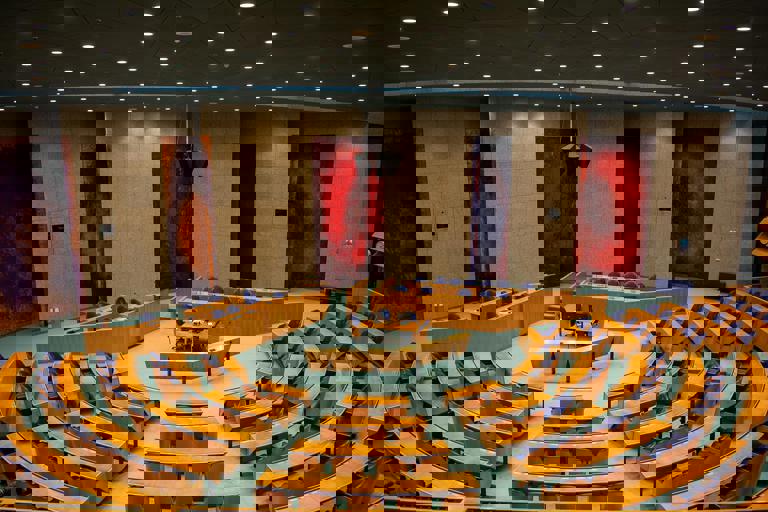
The legislature is currently embroiled in a lively debate over the prospect of lowering the legal voting age. The discussion follows the recent tabling of a bill that seeks to grant younger citizens the right to participate in national, provincial, and municipal elections. Lawmakers are split on whether extending voting rights to younger age groups would revitalize democracy or raise concerns over maturity and political knowledge among the youth.
Advocates for lowering the voting age argue that young people today are more engaged, informed, and passionate about political issues than ever before. According to proponents, early engagement can foster lifelong civic habits and give teenagers a voice in decisions that impact their future. "It’s about building a democracy that truly represents all its members, including our emerging adults," stated Representative Lisa Park during the session.
Opponents, however, express reservations regarding the readiness of adolescents to participate in the electoral process. Critics suggest that individuals under the current minimum age may lack the life experience and political awareness necessary to make informed choices at the ballot box. "While young voices are important, we must ensure voters have the critical thinking skills required," argued Member of Parliament Daniel Greene.
The bill under debate proposes reducing the voting age from 18 to 16, a move aligned with similar measures in several other countries and jurisdictions. Austria, Scotland, and parts of Germany have enacted comparable reforms, prompting researchers to examine the effects on youth turnout and political engagement. Preliminary studies from these countries indicate that 16- and 17-year-olds can be just as, or even more, likely to vote than their older peers.
According to a recent national survey, nearly 55 percent of Canadians between 15 and 17 expressed interest in voting if the law allowed them. The research also revealed that many young Canadians stay informed about politics through social media, online news platforms, and school discussions. This challenges the stereotype that youth are apathetic toward politics, offering a data-driven perspective in favor of the proposed change.
Several student-led organizations have voiced their support for the bill, organizing rallies, social media campaigns, and petitions. "We demand a say in policies affecting our education, climate, and future," declared Jordan Kim, a high school senior and spokesperson for the Youth Vote Collective. Such grassroots activism illustrates the growing momentum among the younger generation to participate directly in shaping governmental priorities.
Opposition parties, while acknowledging the enthusiasm of youth, have countered that the focus should be on improving civic education rather than immediately lowering the voting age. They argue that comprehensive curricula on government, citizenship, and critical thinking skills are necessary to prepare all young citizens, regardless of eligibility, to participate responsibly in elections. These parties have proposed amendments for mandatory civic courses in secondary schools alongside any potential age adjustments.
Parents and educators are also joining the conversation, expressing a range of opinions. Some parents worry that their children may be overly influenced by peers, teachers, or online trends when voting. Conversely, many educators view the bill as an opportunity to encourage real-world learning and empower students. "Engaging students in democracy prepares them for active, informed adulthood," noted social studies teacher Anne Leclerc.
Legal experts have weighed in on the constitutional aspects of the proposal. Several constitutional scholars highlight that the Canadian Charter of Rights and Freedoms does not specify a particular voting age, leaving room for legislative discretion. However, experts caution that any changes must be carefully implemented to ensure they align with broader democratic principles and withstand potential legal challenges.
Supporters of the bill point to statistics showing declining youth voter turnout in recent elections, suggesting the existing age threshold may alienate young adults. They argue that expanding suffrage could help reverse this trend by fostering a sense of belonging and responsibility in the political process from an earlier stage. This increase in participation could potentially strengthen democratic institutions over time.
Meanwhile, opponents remain skeptical, drawing attention to international cases where lowering the voting age did not necessarily lead to sustained surges in youth turnout or civic engagement. Some lawmakers have called for pilot projects or non-binding referendums to gauge public support before enacting such a significant change. This cautious approach, they argue, would allow for informed decision-making while considering public feedback.
Public opinion remains sharply divided on the issue, with recent polls indicating nearly equal support and opposition for lowering the voting age. Critics continue to voice concerns over the influence of misinformation and the ability of 16- and 17-year-olds to navigate complex policy issues. At the same time, supporters emphasize inclusivity, representation, and the tangible benefits observed in countries that have already embraced a lower voting age.
As the debate intensifies, the legislature faces mounting pressure to craft a consensus-driven solution. Lawmakers must consider the long-term implications of their decision on the health of Canadian democracy. Whether the bill ultimately passes or fails, the issue has sparked a valuable national conversation about youth engagement, civic education, and the evolving nature of representation in a modern society.